Reduce Fleet Incidents & Support Better Claims Management

Gain better visibility into driver behaviour and vehicle activity to help identify risk, improve fleet safety and support more informed incident and claims management.

See the Driving Behaviours that May Increase Risk

Look beyond total fleet averages to see insights on how individual vehicles are being used, where inefficiencies may exist, and which vehicles contribute most to fuel use and emissions.

Harsh Breaking

Person wearing black leather boots pressing the accelerator pedal inside a car, with a visible speedometer in the background.
Frequent harsh breaking may indicate risky driving behaviour or poor anticipation of road conditions.

Rapid Acceleration

Rear view of a white van with its brake and turn signal lights on, driving on a wet road with blurred cars and trees in the background under a cloudy sky.
Repeated aggressive acceleration can contribute to unsafe driving and additional vehicle wear.

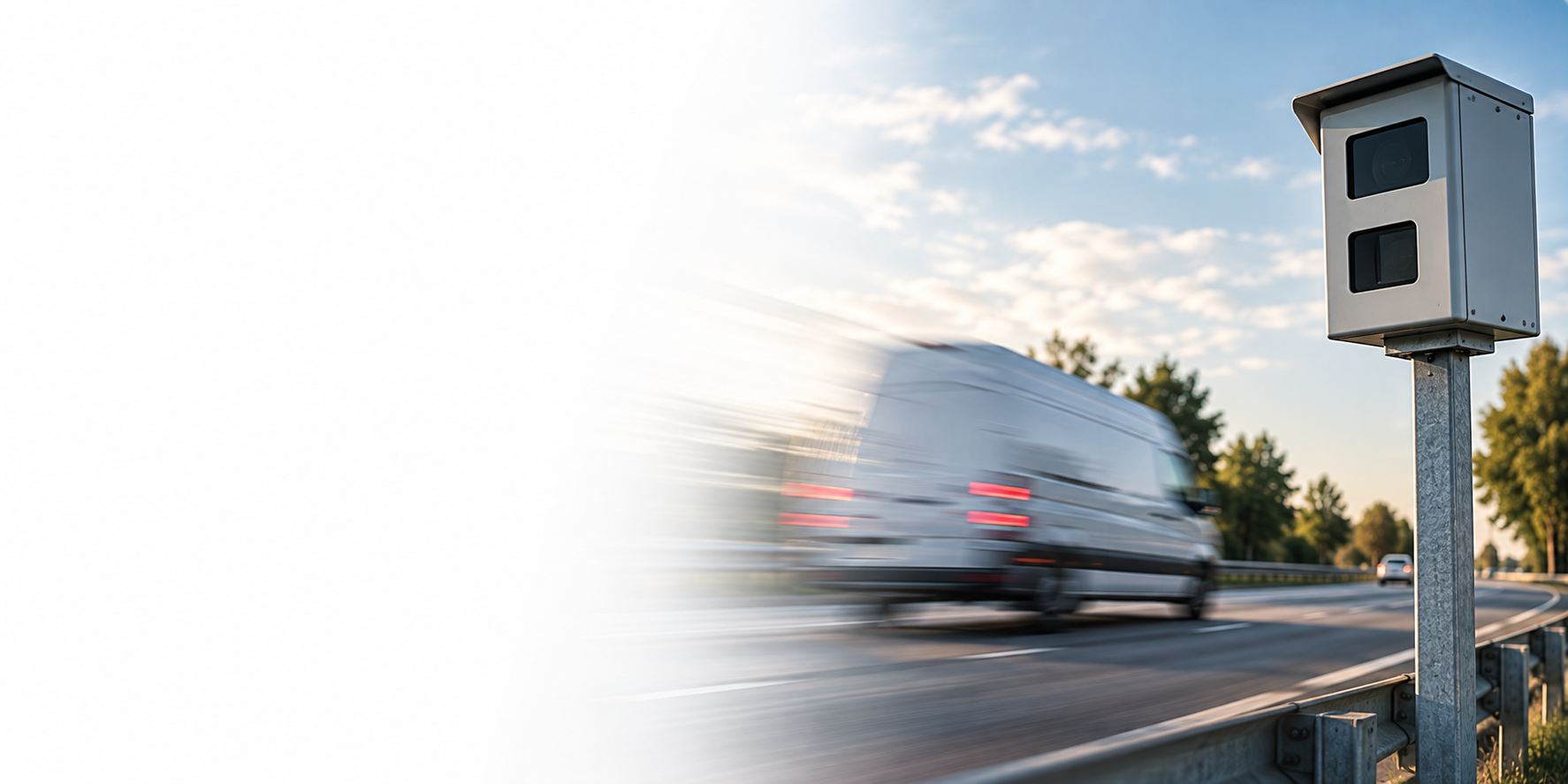
Speeding

Speed camera mounted on a pole by the roadside capturing a white van moving quickly on a highway with trees and a partly cloudy sky in the background.
Monitoring speed-related behaviour can help identify drivers or journeys that may require further review.

Driver Fatigue/Distraction

Where supported by LogisFleet's monitoring system, driver monitoring can help identify behaviours linked to fatigue or distraction.
Man sitting in the driver's seat of a vehicle holding a smartphone, looking at the screen with a messaging app open, while holding the steering wheel with his other hand and a road with traffic visible through the windshield and side mirror.
From Incident to Insight

A Clearer Picture of What Happened

When an incident occurs, access to relevant vehicle and driving data can help fleet managers better understand the events surrounding it.

01 - Review Vehicle Activity

Look at journey, speed, and vehicle activity data associated with the incident. This helps fleet managers understand the details of the incident.

02 - Understand Driving Patterns

Identify behaviours or events that may have contributed to increased risk to provide context when revewing an incident.

See how Driver Safety Monitoring (DSM) works →

03 - Support Follow Up

Use available fleet data to support internal reviews, driver coaching and claims-related processes to identify whether risky behaviours are recurring over time.

Better Evidence = More Informed Incident Reviews

When an incident leads to a claim or a dispute, having access to relevant vehicle, driver, and video information can provide valuable context. LogisFleet's safety and monitoring solutions help fleets capture and review information surrounding an event, supporting more informed internal investigations and claims-related processes.
Review recorded footage and event information to provide context when reporting an incident, helping fleet teams understand vehicle surroundings that occured at that time.

See LogisFleet's 360° AVM & Vehicle Cameras solution →

Driver Context

Driver monitoring data can provide additional insights into behaviours such as fatigue, distractions, and mobile phone use. Event history and behaviour timelines can help fleet managers understand whether relevant driver behviours were detected.
‍
See how Driver Safety Monitoring (DSM) works ->
Bring available incident and driver information into the review process to support internal investigations, driver coaching, and claims-related follow-up. This can also help managers identify where additional safety measures may be needed.

See this process in LogisFleet's Camera & Event Evidence ->

Incident Evidence

Incident Evidence

Review & Follow-Up

A Safer, More Informed Fleet

What are the benefits of fleet monitoring?

Improve Driver Safety Awareness

Gain greater visibility into driving behaviours that may indicate increased risk to help fleet managers indentify where additional attention is beneficial.

Reduce Operational Risk

Identifying recurring patterns across drivers, vehicles and journeys to help fleet managers take preventive action and make more informed decisions.

Strengthen Incident Review

Bring together relevant journey, vehicle, and driver information to provide greater context when reviewing an incident.

Support Ongoing Improvement

Continue monitoring driver behaviour and fleet activity after changes or safety measures have been introduced to track improvement or the necessity of further action.

Ensure safety for your fleets and those around.

Fleet Monitoring FAQ for Singapore Fleets

How can fleet data reduce vehicle emissions?

Vehicle data can help businesses identify operational patterns associated with unnecessary fuel use, such as excessive idling, unnecessary journeys, and inefficient vehicle utilisation. Greater visibility allows fleet managers to identify when operational improvements could be made.

‍

Can LogisFleet help identify risky driving behaviour?

Yes, LogisFleet can help surface patterns in vehicle and driver activity that may indicate higher-risk behaviour. This includes fatigue, phone usage, distractions, and seatbelt detection.

Learn more about Driver Safety Monitoring (DSM).

How does driver behaviour affect fleet efficiency?

Driving behaviour can influence both vehicle efficiency and overall fleet performance. Monitoring driver activity gives businesses greater visibility into risky or inefficient patterns and creates opprtunities for targeted coaching. LogisFleet's Driver Safety Monitoring (DSM) system provides behaviour monitoring, event-based scoring and fleet-level trends to maximise the efficiency of a business' operations.

How can vehicle usage insights improve fleet planning?

Understanding how frequently different vehicles are used can support decisions around vehicle allocation and fleet requirements. Instead of relying only on fleet-wide averages, managers can compare individual usage patterns and identify where detached-trailer visibility is required.

Learning about a vehicle's Emission and Usage Insights allows managers to identify efficiency and creates an opportunity to improve the business' future operations.

How can fleet data support incident investigations?

Fleet data can provide additional context around an incident by showing relevant journey, speed, location, and vehicle activity information. This can help fleet managers better understand the circumstances surrounding an event, support internal investigations, and determine appropriate follow-up actions.

Confirm if your fleet is affected.

Share your vehicle number and MLW — we’ll confirm eligibility and next steps